Friday, September 18

Vanhu Voti People Will Never Take Kettina Serious Dai Aita Register To Vote Isu Toti Mebho Totomuda Akadaro Arikutogadzirisa Nyika

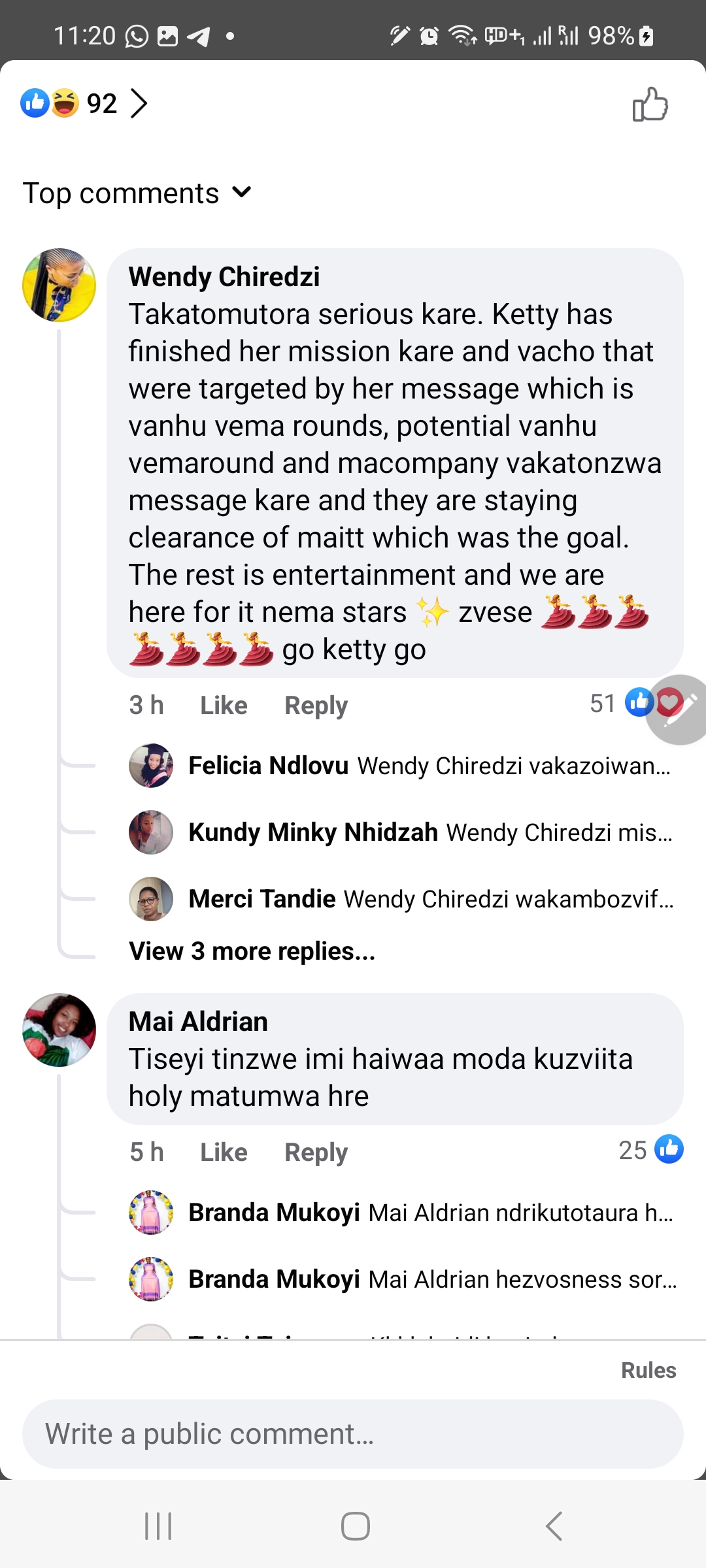
Takatomutora serious kare. Ketty has finished her mission kare and vacho that were targeted by her message which is vanhu vema rounds, potential vanhu vemaround and macompany vakatonzwa message kare and they are staying clearance of maitt which was the goal. The rest is entertainment and we are here for it nema stars ✨ zvese 💃💃💃💃💃💃💃 go ketty goDai Ketty achitomhanya neregister to vote zvirinani, izvi zvemaaudios azvishande and taneta. People will never take her serious cz anonyanya zvinyadzi nekakusakwana so, izvezvi nyaya dzemari yemaround akangozvitaura 2days zvikashaya basa cz akungohumana. And vese vezvikwereti vakaenda kwaari chikiti achangoti endayi mobhadharwa kufacebook 🤣😂😂. Corruption yemuZim ungazoigona here iwe hakowo kettina🤣🤣🤣ana Hopewell vakazvitadza wani kozoti iwe hakowo razaro. Register to vote uko udzokere kuZim kunovoter not kungotinyaudza neheartbreak yako naFeli

  • Share:

Info News

Employment Class Action Lawsuit: Wage And Overtime Claims Explained

An employment class action lawsuit may involve workers who were denied overtime, minimum wage, meal breaks, rest breaks, commissions, or proper classification.

Employers may violate wage laws by making employees work off the clock, misclassifying workers as independent contractors, refusing overtime, or deducting improper expenses.

These cases can affect many workers in the same company or job position.

Compensation may include unpaid wages, overtime, penalties, interest, and attorney fees.

Workers should keep pay stubs, schedules, text messages, time records, emails, and job descriptions.

A class action lawyer can review whether the employer’s practices affected multiple employees in the same way.

Employees have rights. If a company has a pattern of underpaying workers, legal action may help recover lost wages.

Homeowners Insurance: What Your Policy May Not Cover

Homeowners insurance protects one of your biggest investments, but many people do not fully understand what their policy covers. They only find out after damage happens, and by then it may be too late.

A standard homeowners insurance policy may cover damage from fire, wind, theft, vandalism, certain water damage, and liability claims. It may also help pay for temporary housing if your home becomes unlivable after a covered event.

However, there are important exclusions. Many standard policies do not cover flood damage. If you live in an area with flood risk, you may need separate flood insurance.

Earthquake damage is also usually excluded unless you buy additional coverage. Sewer backups, mold, termite damage, wear and tear, and maintenance problems may also be limited or excluded.

Another important issue is replacement cost versus actual cash value. Replacement cost coverage may pay to replace damaged property with new items. Actual cash value coverage subtracts depreciation, which can result in a lower payout.

Your policy limits matter. If your home has increased in value or construction costs have gone up, your old coverage may not be enough to rebuild. You should review your policy regularly to make sure the dwelling coverage is accurate.

Personal property coverage also has limits. Expensive jewelry, electronics, art, firearms, or collectibles may require additional coverage.

Liability protection is another important part of homeowners insurance. If someone is injured on your property, liability coverage may help pay legal costs or damages.

To avoid surprises, review your declarations page, exclusions, deductibles, and coverage limits. Ask your insurance agent what is not covered and whether you need additional protection.

Homeowners insurance is not just a bill. It is financial protection for your house, belongings, and future. Understanding your policy before disaster strikes can save you from major financial stress.